Quick Answer · 1 Card · ~1 Minute
Yes or No Tarot Reading
Sometimes you need a straight answer. A yes or no tarot reading strips away complexity and gives you one card with one clear direction. But unlike a coin flip, the tarot adds context — the “yes” might come with a condition, and the “no” might reveal what needs to change first.
Ask Your Yes/No QuestionHow It Works
Frame Your Question
Think of a specific yes/no question. "Should I take this job?" works better than "What should I do about work?" Keep it focused on one thing.
Draw One Card
A single card is drawn using cryptographic randomization — no algorithms influencing the result. Pure, unbiased chance.
Read the Answer
Upright cards generally lean yes. Reversed cards lean no. But the AI goes deeper, explaining the conditions, timing, and hidden factors behind the answer.
Understanding Yes and No Cards
Cards That Lean “Yes”
Positive energy, forward movement, alignment
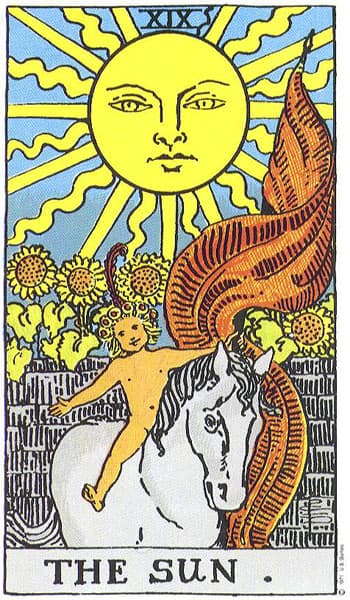

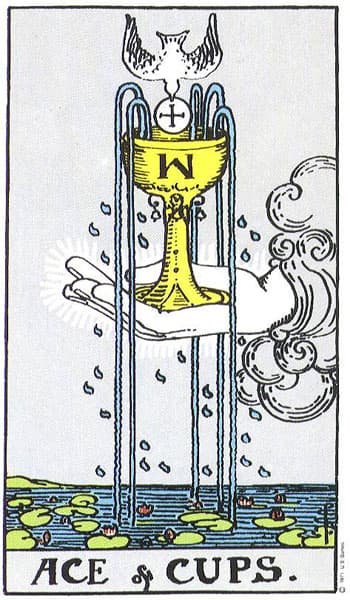

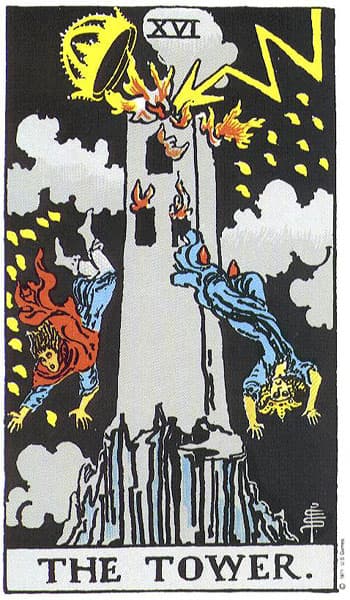
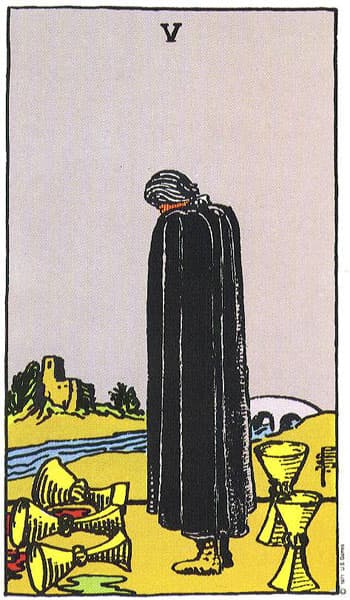
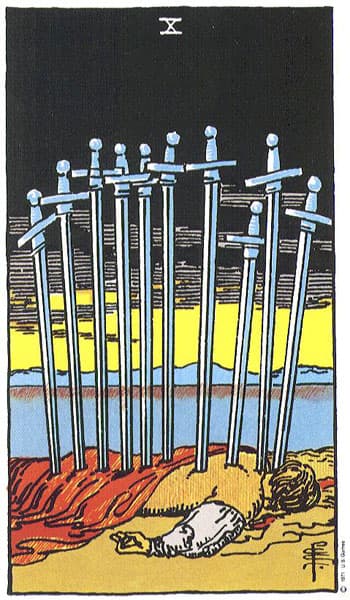
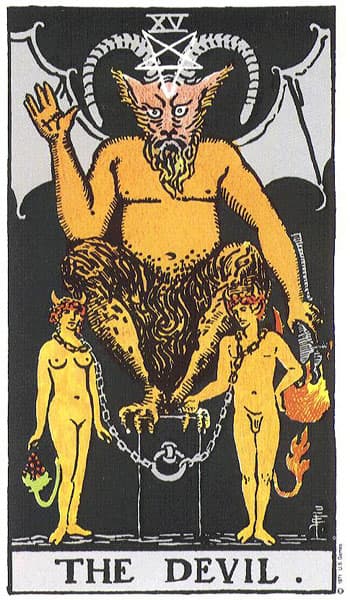
Most cards are contextual — the AI interprets yes/no based on position, reversal, and your specific question.
Beyond Simple Yes and No
The real power of tarot yes/no readings is not the binary answer — it is the nuance. A yes or no tarot card rarely says a flat “yes” or “no.” Instead, it might say:
- Yes, but... — there is a condition to be aware of first.
- Not yet — the timing is not right, but the direction is favorable.
- No, because... — and here is what needs to change.
- The question itself is wrong — you might be asking the wrong question entirely.
This is where AI interpretation excels. Instead of a lookup table of yes/no answers, our AI reads the card in context of your specific question and explains what it actually means for your situation.
✦ Sample Yes/No Reading
Question: “Should I apply for this new position?”
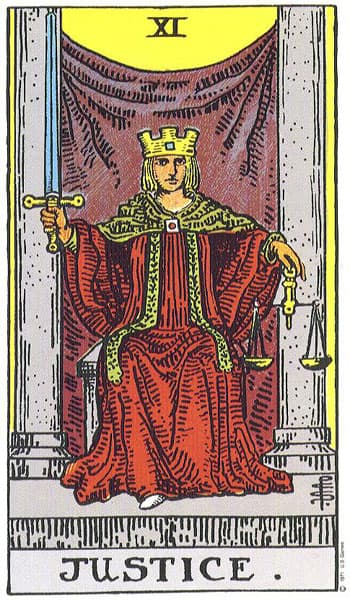
Card Drawn
Justice · Upright
“Yes — but on the condition that this is genuinely the right fit, not just an escape from where you are now. Justice upright signals that the outcome will be fair: if you are qualified and this aligns with your values, the application will be judged on its merits. This card asks you to be honest with yourself about your motivations. If this role serves your genuine growth, apply with confidence. If you are running from something rather than toward something, Justice suggests addressing that first.”
Tips for Better Yes/No Readings
- ·Ask one question at a time. "Should I move AND change jobs?" is two questions — split them up.
- ·Avoid questions about other people's feelings or decisions. Focus on what you can control.
- ·Do not re-draw if you dislike the answer. The first card is the message.
- ·Use follow-up questions to explore the nuance. "What conditions does this yes come with?"
- ·If you need more depth than yes/no, try a three-card spread instead.
Explore More
Yes or No Tarot FAQ
How accurate is yes or no tarot?
Yes or no tarot is best understood as a decision-making tool, not a prediction method. It surfaces your subconscious leanings and highlights factors you may not have considered. Accuracy depends on the clarity of your question.
Can I ask the same question twice?
Most tarot practitioners advise against re-drawing. The first card is the message. If uncertain, use a follow-up question to explore the nuance rather than re-asking.
What does a reversed card mean?
Reversed cards generally lean toward "no" — but with nuance. A reversal often means "not yet," "not in this way," or "there is something to address first." Our AI explains the specific context for your question.
Ask the Cards
Get a free yes or no tarot reading with AI-powered interpretation. One card, one answer, one clear direction.
Get a Free Reading